
If you've just started researching ABA therapy, you've probably encountered a lot of clinical language that makes it sound more complicated, or more rigid, than it actually is. The reality of day-to-day ABA therapy is more nuanced than the textbook definition, and understanding what actually happens in sessions will help you be a more effective partner in your child's care.
What ABA stands for
Applied Behavior Analysis is a scientific approach to understanding and changing behavior. The "applied" part means the focus is on real-world behaviors that matter, including communication, daily living skills, and social interaction, not abstract concepts. The "behavior analysis" part means the approach is systematic: behaviors are observed, measured, and adjusted based on data, not intuition.
The core principle is that behaviors are shaped by their consequences. Behaviors that lead to positive outcomes tend to increase. Behaviors that don't lead anywhere tend to decrease. ABA uses this principle intentionally, through carefully designed reinforcement, to help children learn new skills and build on existing strengths.
What a session actually looks like
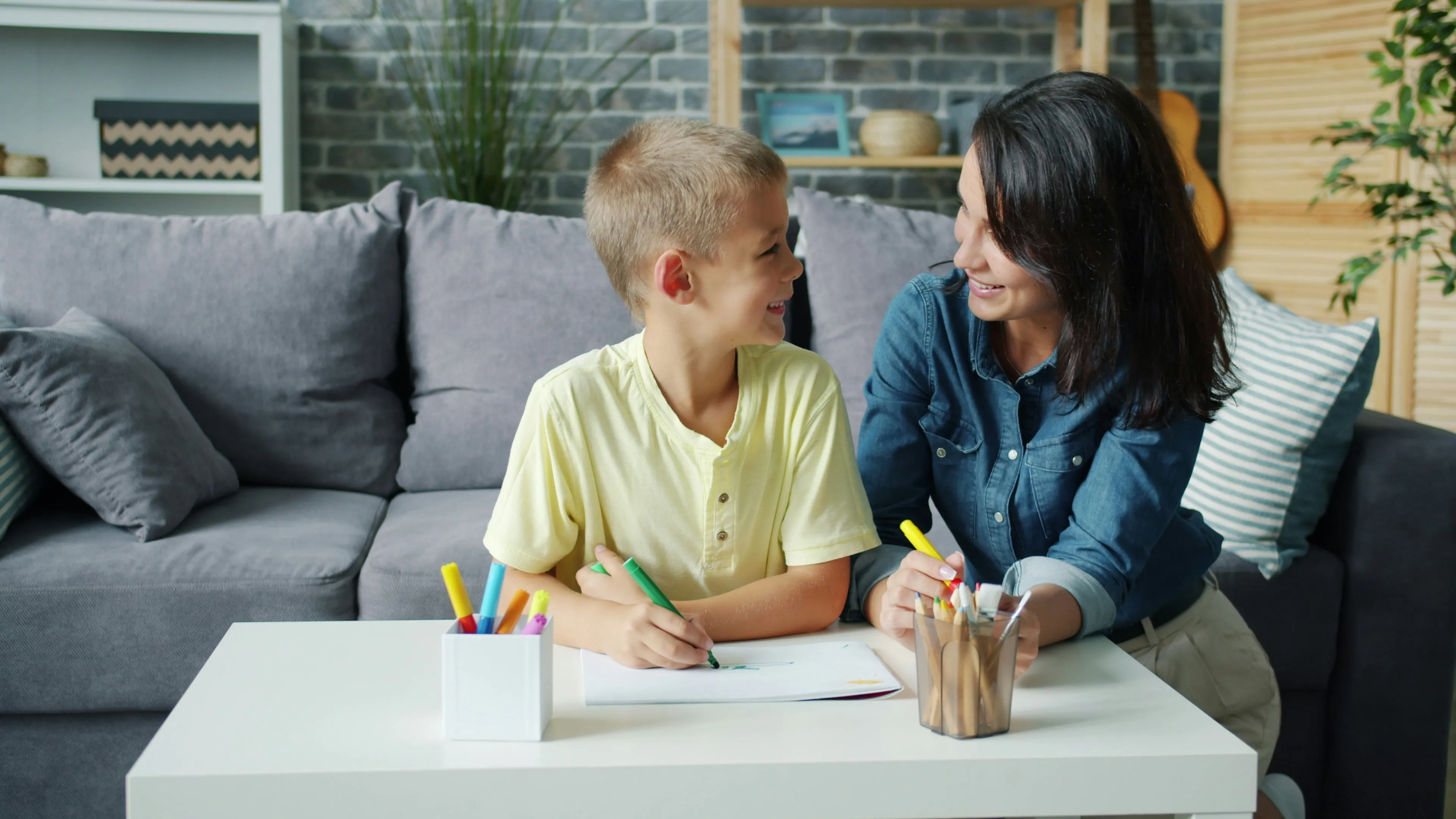
A typical ABA session doesn't look like a clinical trial. It looks like a structured play session, a cooking activity, or a practiced conversation, depending on your child's age, goals, and setting. The therapist (usually a Registered Behavior Technician, or RBT) works directly with your child on goals set by the supervising BCBA. Sessions might focus on:
- Building language and communication skills
- Practicing daily living skills like dressing or meal prep
- Reducing challenging behaviors by replacing them with functional alternatives
- Improving social skills like turn-taking, asking for help, or reading social cues
Sessions are often 2–3 hours and happen several days a week, though the intensity varies widely. Younger children in early intervention programs often have more hours; older children may have fewer, more targeted sessions.
The BCBA and the RBT: two different roles
Understanding who's doing what in your child's care matters. The BCBA (Board Certified Behavior Analyst) is the clinical supervisor. They conduct the initial assessment, set the treatment goals, write the behavior plan, and review your child's progress data regularly, usually at least every few weeks. They may observe sessions or conduct caregiver training, but they often aren't the one running daily sessions.
The RBT (Registered Behavior Technician) is the frontline therapist who runs the actual sessions. They implement the plan the BCBA designed. RBTs receive training and ongoing supervision from the BCBA, but their role is execution, not design.
This distinction matters when things aren't working. If you have concerns about your child's progress or the direction of therapy, the BCBA is the person to talk to, not just the RBT. A good provider makes it easy for you to access the supervising BCBA directly.
Telehealth vs. in-person ABA
Telehealth ABA has expanded significantly in recent years and can be an effective option, particularly for caregiver coaching and some skill-building goals. In a telehealth session, the therapist or BCBA works with you and your child via video. You may play an active role as the "hands" in the session while the therapist coaches you in real time.
In-person ABA, whether in your home or a clinic, allows for more direct, hands-on intervention and is often preferred for younger children or those with more intensive needs. Some families use a combination: in-person for intensive skill work, telehealth for caregiver training and follow-up.
The right setting depends on your child's specific goals and your family's logistical realities. Ask potential providers what they recommend based on your child's assessment, and don't hesitate to ask why.
Why caregiver involvement matters, and what it actually means
Research consistently shows that caregiver involvement is one of the strongest predictors of better outcomes in ABA. This doesn't mean you need to become a behavior analyst at home. It means you need to understand the goals your child is working on and how to reinforce them consistently between sessions.
In practice, this looks like: knowing which skills your child is practicing so you can create natural opportunities at home; using similar language and prompts that the therapist uses; noticing and acknowledging progress when you see it; and staying in regular contact with the BCBA to ask questions and report what you're observing.
A good provider will offer structured caregiver training, not just informal tips. If your provider isn't actively involving you, it's worth asking how they support caregiver participation.
Common misconceptions about ABA
ABA has a complicated history, and some concerns about older approaches are legitimate. Modern, naturalistic ABA looks significantly different from early discrete trial training approaches. Here are a few things worth knowing:
- ABA isn't about making children "normal." Goals should be functional, meaning skills that genuinely improve quality of life, not cosmetic compliance.
- It's not all drills and flashcards. Contemporary ABA uses natural environment teaching, play-based approaches, and child-led activities.
- Progress is individualized. Comparing your child's pace to someone else's doesn't tell you much. What matters is whether your child is making meaningful progress on their own goals.
What progress looks like over time
Progress in ABA is rarely linear. Children often make rapid gains in some areas and plateau in others. Regression during stressful periods, such as a new sibling, a school transition, or an illness, is normal and expected.
What you should expect from a quality provider is transparency. They should share data with you regularly, explain what the data means, and adjust the treatment plan when something isn't working. If you've been in therapy for several months and you have no idea whether your child is progressing, that's a problem worth raising directly with the BCBA.
The goal of ABA isn't to be in ABA forever. It's to build skills that generalize, meaning your child can use them across settings, with different people, in new situations. That's the measure that actually matters.
Topics